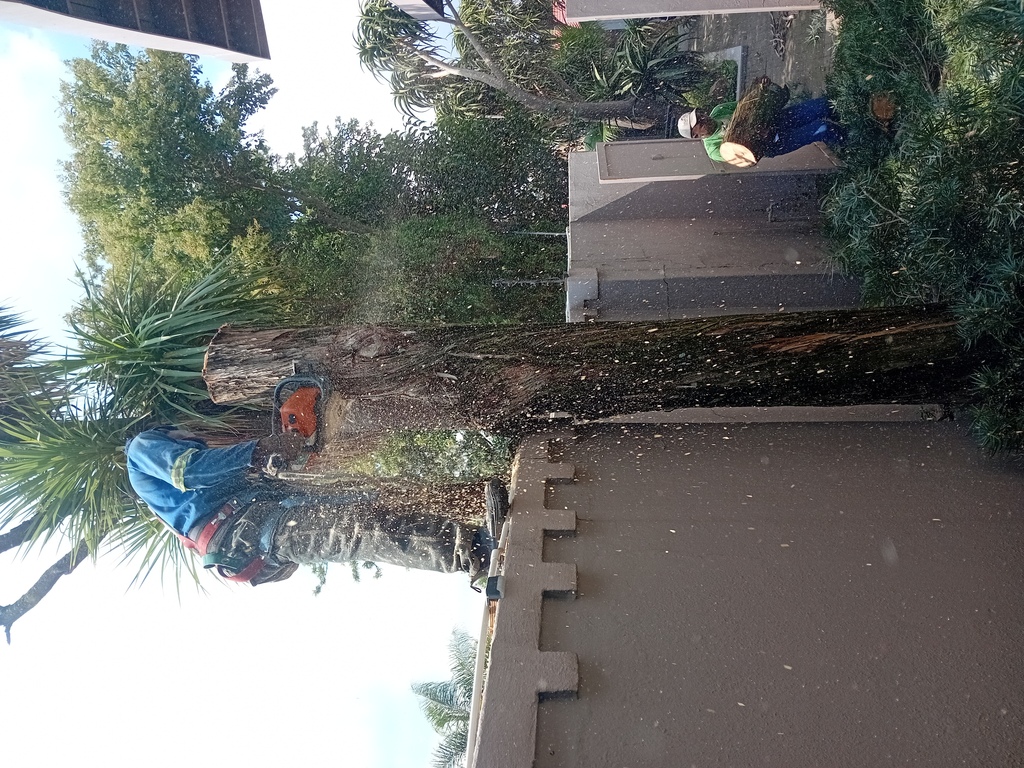
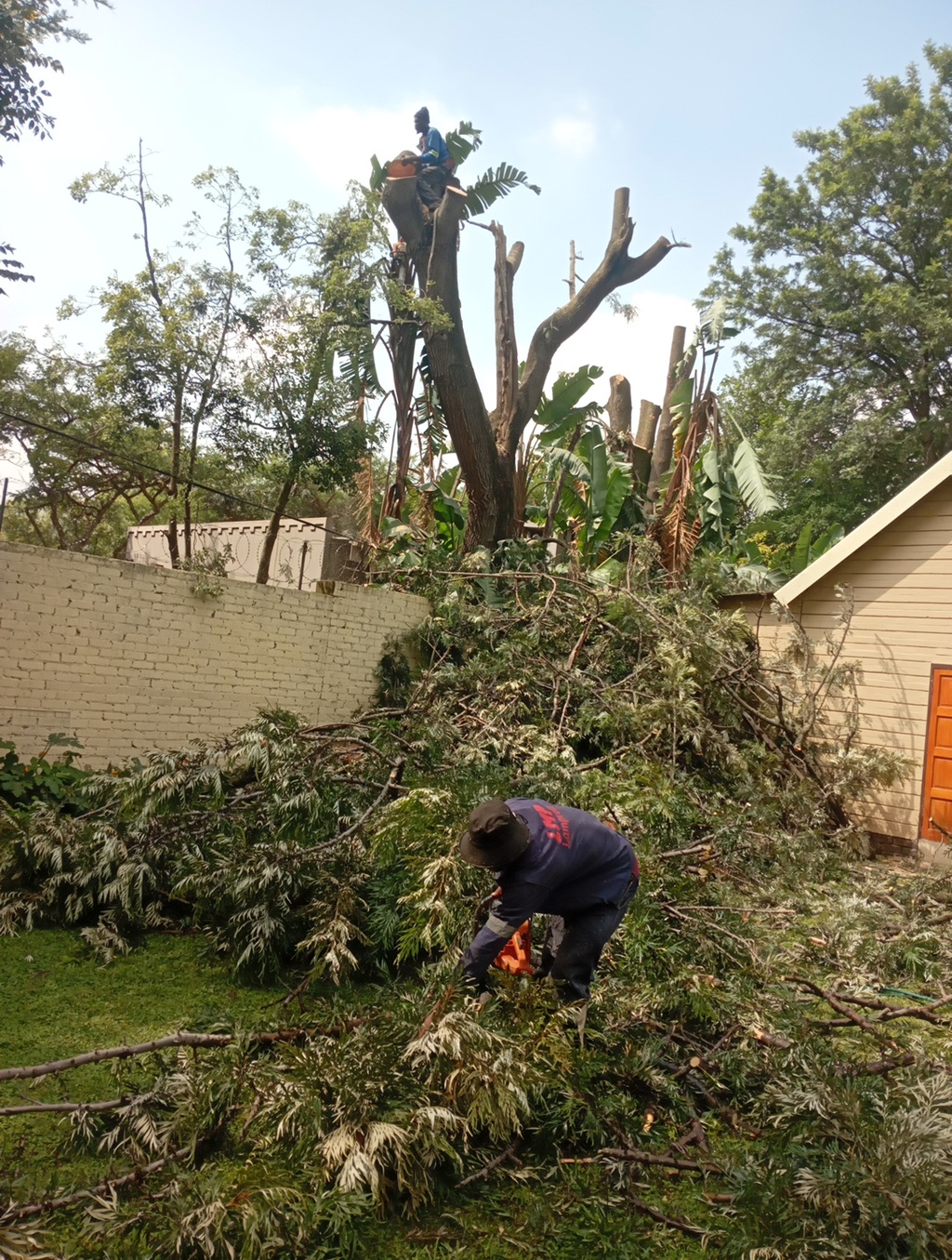
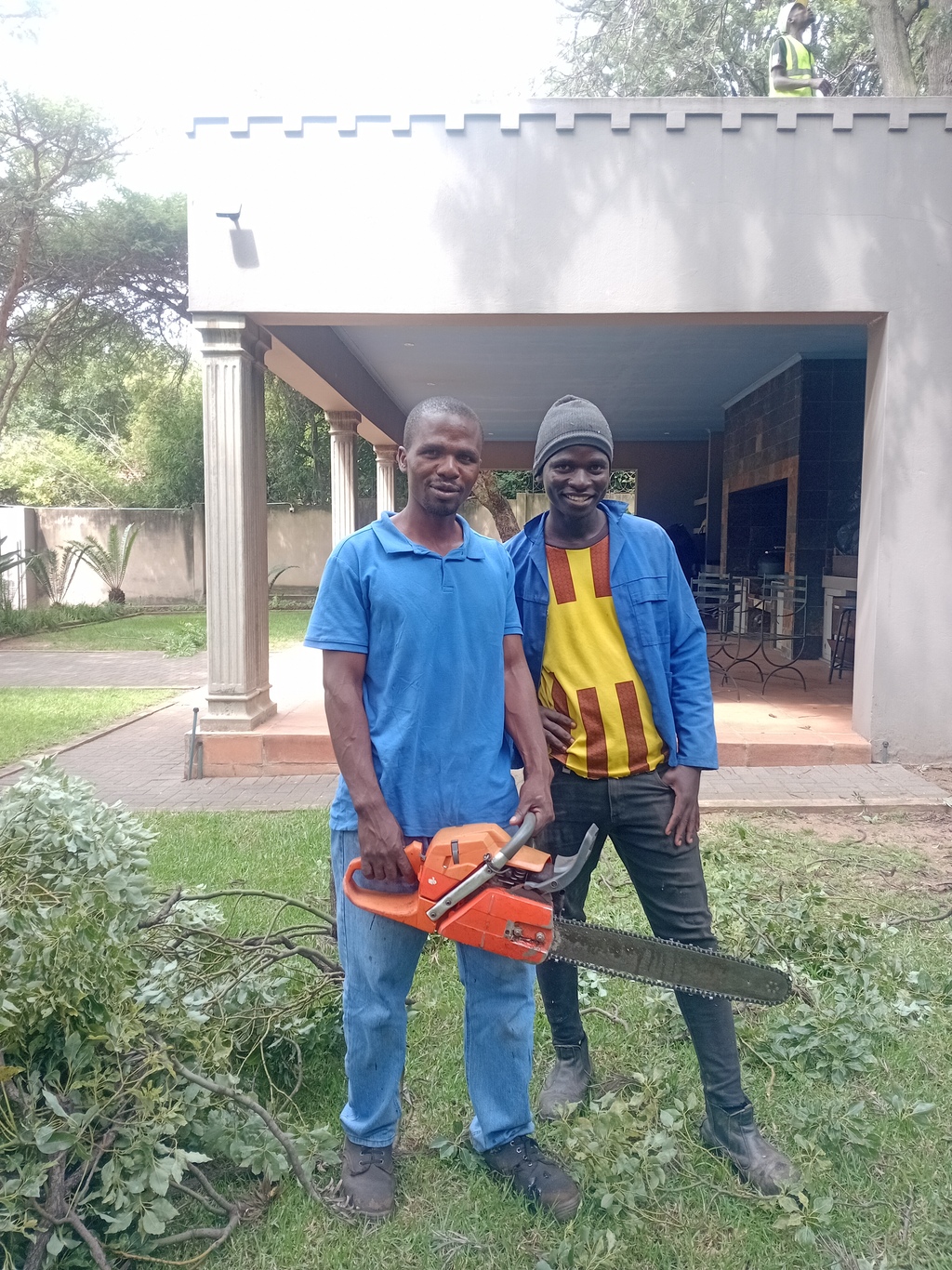
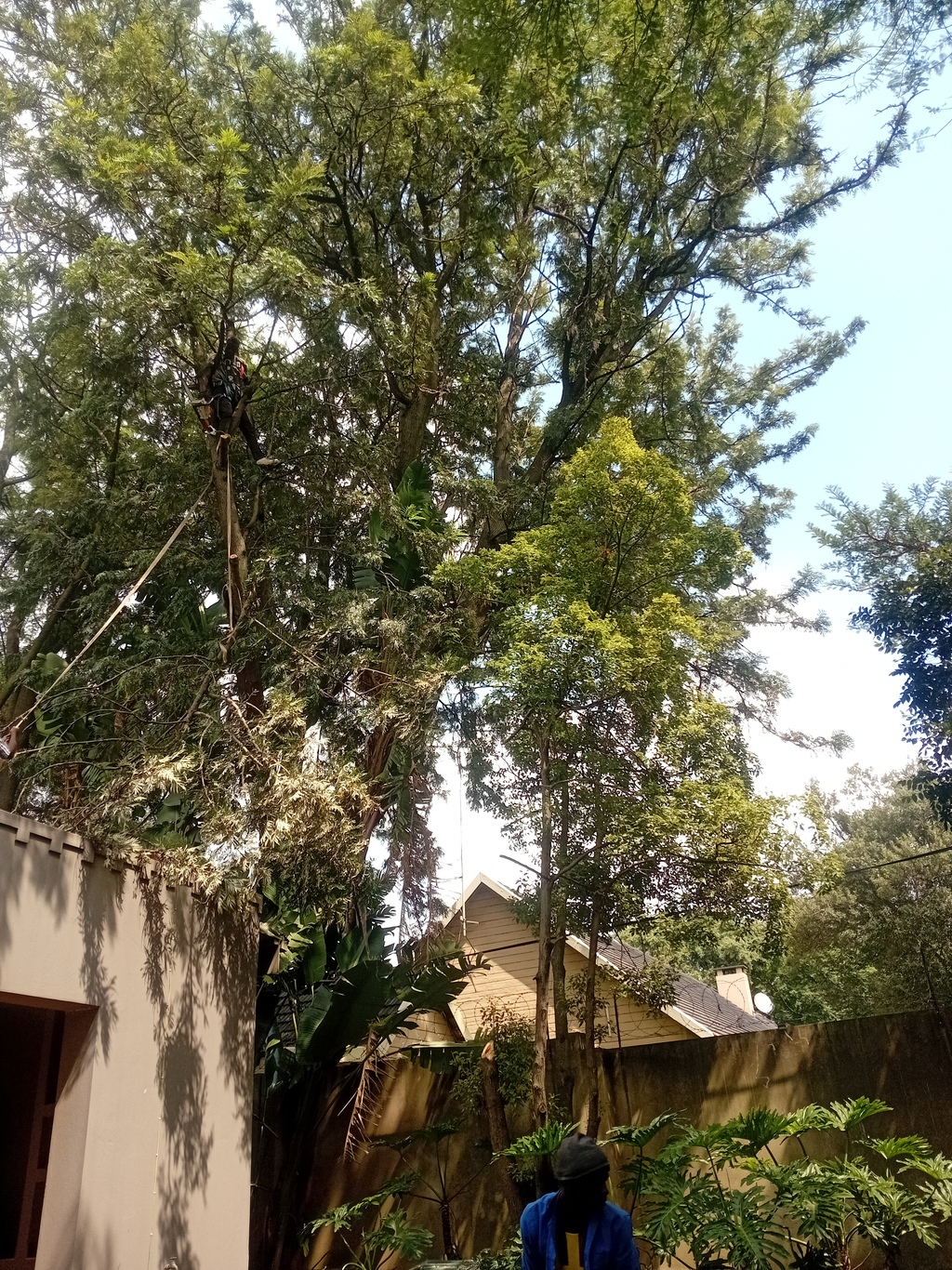
Timing your tree maintenance can save you money and protect your home from Highveld storm damage.
The Ideal Window: June to August (Late Winter)
In Johannesburg, the dry winter months are the "Gold Standard" for tree work.
Dormancy: Deciduous trees are dormant, meaning they experience less "shock" when pruned or felled.
Maximum Visibility: Without leaves, it is much easier for a professional to spot structural cracks, dead wood, and hollow trunks that could be dangerous.
Easier Cleanup: Less foliage means a faster, cleaner job for the crew, which often results in a more efficient service for you.
Once the rains start in Gauteng, the risk profile changes:
Heavy Soil: Saturated ground makes it easier for large trees to uproot during high winds.
Lightning Risks: Tall, dead, or dying trees are prime targets for lightning strikes during afternoon thundershowers.
Emergency Service: If a tree is leaning toward a roof or power lines, the best time to cut it is immediately. Don't wait for the next storm to turn a "maintenance job" into an "insurance claim."
Dead Branches: Large, dry limbs that could fall on a fence or car.
Fungal Growth: Mushrooms at the base of the trunk often indicate internal rot.
Soil Heaving: If the ground is lifting near the roots, the tree is becoming unstable.
Tight "V" Forks: Where two trunks meet—these are weak points prone to splitting.
Don’t Guess with Tree Safety.Whether you need a routine winter prune or an urgent assessment before the next storm hits, we provide professional tree felling services across Johannesburg and surrounding areas.